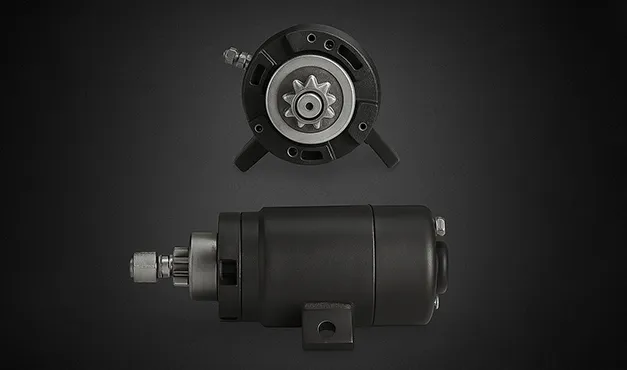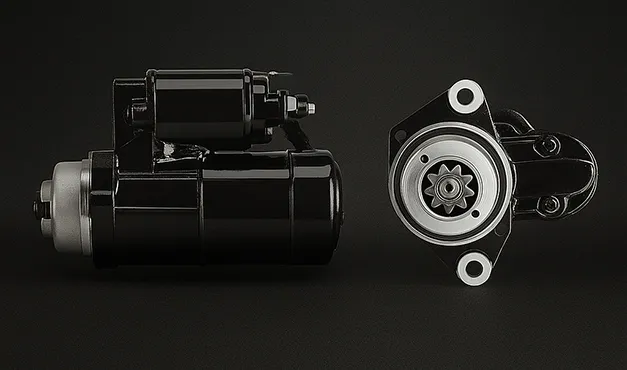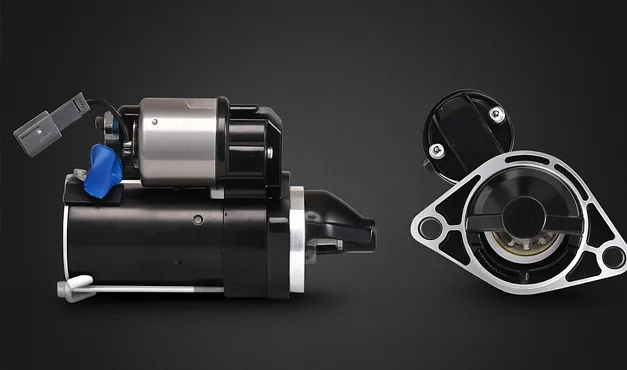



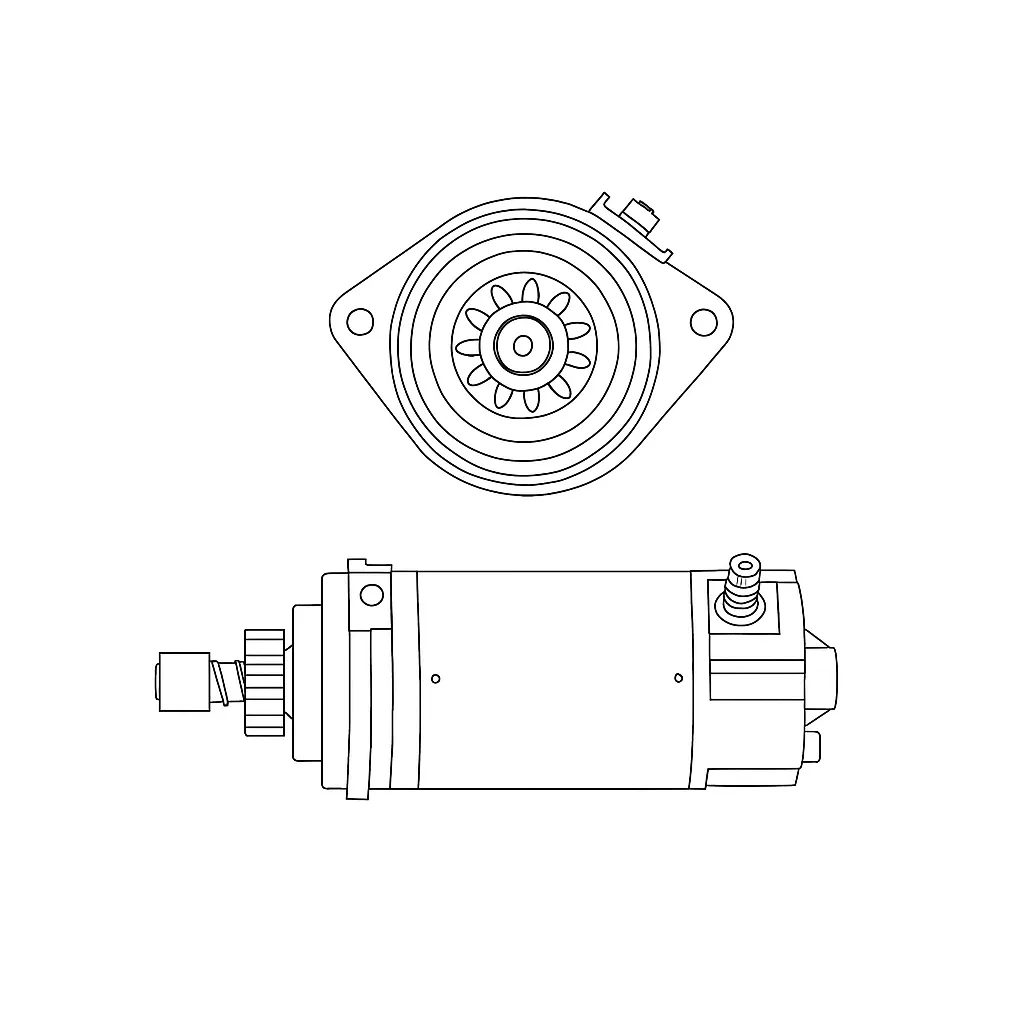



Environmental Protection & Durability Features
Heavy-Duty Corrosion Resistance: This is arguably the most important set of features for a marine product.
Materials: Special aluminum alloys, galvanized steel, and stainless steel hardware are used extensively. Copper windings are often epoxy-coated inside the motor housing.
Coatings: Advanced powder-coatings and anti-corrosive paints protect all exposed metal surfaces. Zinc-rich primers offer cathodic protection.
Terminals: Thick, tinned copper terminals resist salt spray attack. Dielectric grease is applied to the posts to repel moisture and prevent arcing.
Water Intrusion Prevention:
Sealed Housings: While not completely waterproof, the housing is designed with gaskets and sealed openings to prevent splash from entering.
Ventilated Design: Crucially, every starter has one or more vented rubber plugs. As the motor spins, it creates heat. Without a vent, pressure builds up, pushing moisture and contaminants into the motor. The vent releases air pressure while blocking large amounts of water entry. Keeping these vents CLEAR is essential for longevity.
Downward Facing Vents: Many designs position the vents at the bottom of the housing so any trapped water drains out rather than being pushed deeper inside.
Vibration Resistance: All electrical connections, especially the large main power cable from the battery, are secured with locknuts and star washers to prevent them from vibrating loose over time. The entire unit is isolated from the engine mount with rubber bushings.